
ირმა პავლიაშვილი: ვის ეშინია კვოტების საქართველოში
რა ხდებოდა კვოტებამდე
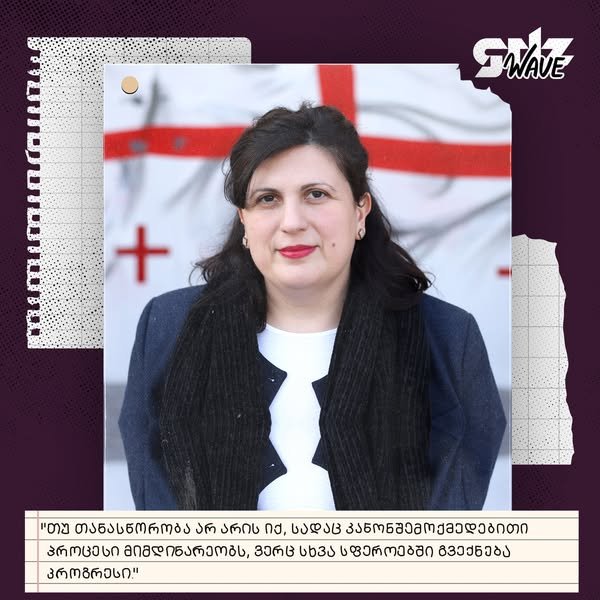
“პოლიტიკაში თანასწორობა ყველა სხვა სფეროში თანასწორობას ნიშნავს. თუ თანასწორობა არ არის იქ, სადაც კანონშემოქმედებითი პროცესი მიმდინარეობს, პოლიტიკის კეთების დროს თუ არ არის თანასწორი ხედვა ადგილზე, თუ აქ არ ესმით, რა სჭირდებათ ქალებს, ვერც სხვა სფეროებში გვექნება პროგრესი.
„თასქ ფორსი“ 2014 წლიდან შეიქმნა. ბუნებრივად გავერთიანდით. იმ პერიოდში საინტერესო ძვრები იყო ქალთა პოლიტიკური მონაწილეობის მიმართულებით. მართალია, გენდერული კვოტა არ არსებობდა, მაგრამ მოქალაქეთა პოლიტიკური გაერთიანების შესახებ კანონით, განისაზღვრებოდა ფინანსური დანამატი იმ პოლიტიკური პარტიისთვის, რომელიც პროპორციულ სიაში ქალებს გარკვეული პროცენტით ჩასვამდა. თუმცა ეს ვერ აგვარებდა პრობლემას. ქალებს სიებში სვამდნენ, მაგრამ მანდატებს არ აძლევდნენ. ბიუჯეტიდან მიღებულ დაფინანსებას კი პარტია თავისი შეხედულებისამებრ ხარჯავდა, მაგალითად, ლიდერების ხელფასებზე და არა ქალების გაძლიერებაზე. შესაბამისად, ვიღებდით უთანასწორო პოლიტიკურ გარემოს – ქალებს ვერც მაჟორიტარ კანდიდატებად შეხვდებოდით, ვერც პროპორციულ სიებში და ვერც პარტიულ წამყვან პოზიციებზე. ეს კი მაშინ, როცა პოლიტიკური პროცესების შიდაპარტიულ საყრდენს სწორედ ქალები წარმოადგენდნენ. ისინი გადიოდნენ ველზე, წარმართავდნენ „კარდაკარის“ პრინციპით ჩატარებულ სამუშაოებს, ახდენდნენ ამომრჩევლის მობილიზებას და მნიშვენელოვან როლს ასრულებდნენ ადმინისტრაციულ საქმიანობაშიც.
პოლიტიკოსებს სასაცილოდ არ ჰყოფნიდათ ქალთა პოლიტიკური მონაწილეობა. „ქალს რომ დავუთმოთ ადგილი, ჩვენ სად წავიდეთ?“ იმ პერიოდში არაერთი საარჩევნო რეფორმა განხორციელდა და მნიშვნელოვანი საკითხები დადგა დღის წესრიგში. თუმცა კითხვა – რას ვაკეთებდით ქალთა პოლიტიკური მონაწილეობის გასაზრდელად – უპასუხოდ რჩებოდა.
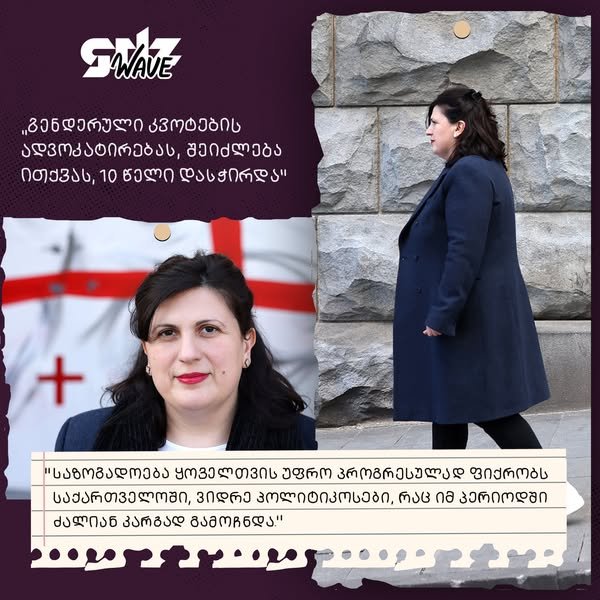
ამავდროულად, კვლევები აჩვენებდა, რომ საზოგადოება სულ უფრო და უფრო მეტად უჭერდა მხარს ქალების პოლიტიკაში ჩართულობის გაზრდას. მოგვიანებით, კვოტების საკანონმდებლო ინიციატივისთვის 37 000-ზე მეტი ხელმოწერის შეგროვება შევძელით და პროცესი ბოლომდე მივიყვანეთ, თუმცა კვოტის საარჩევნო კოდექსში ასახვას მაშინ 10 ხმა დააკლდა. საზოგადოება ყოველთვის უფრო პროგრესულად ფიქრობს საქართველოში, ვიდრე პოლიტიკოსები, რაც იმ პერიოდში ძალიან კარგად გამოჩნდა.
საინტერესო შედეგები დაგვანახა კვლევამ, რომელიც მე და ნინო დოლიძემ 2016 წელს ჩავატარეთ. გამოიკვეთა, რომ კანონპროექტები, რომელიც ინიცირდებოდა ქალების მიერ და მათი ჩართულობით, ძირითადად, ეხებოდა ქალთა და ბავშვთა უფლებებს, ეკონომიკურ და საგანმანათლებლო საკითხებს, და უფლებრივ ჭრილში, სწორედ თანასწორობის იდეას და ადამიანის უფლებების დაცვას ემსახურებოდა. აღმოჩნდა, რომ მერვე მოწვევის პარლამენტში, არცერთი ქალი დეპუტატი არ იყო, რომელსაც ერთხელ მაინც არ ესარგებლა პოლიტიკური პლატფორმით. კაცი – რამდენიც გინდა.”
„თასქ ფორსის“ შექმნა და გენდერული კვოტები
“Because in the political process, the participation of women and women's rights have never been on the agenda, and decision-makers have always considered this a secondary issue, we gathered, people working on women's rights, advocates, activists, and said that something needed to change. It could not continue like this. A team should be created that, on the one hand, would prepare legislative changes, taking into account existing practices. Along with the legislative proposal, principles would be developed that should be reflected in the subsequent electoral code. And on the other hand, it would investigate public attitudes and at the same time conduct a campaign to raise awareness in society, based on the research conducted by our partners, such as NDI, IRI, and UN representatives, to measure attitudes in society. We considered gender quotas as a temporary mechanism. So that in political spaces, they could learn to work with women and politics would not remain a male-dominated field. Advocating for gender quotas, it can be said, took 10 years.”.
2017 წელს, ცვლილებებს საკონსტიტუციო რეფორმა დაედო საფუძვლად და ერთი მხრივ, საქართველოს მიერ ნაკისრი საერთაშორისო ვალდებულებების შესასრულებლად და მეორე მხრივ, საზოგადოების დაკვეთის კონსტიტუციურ პრინციპად სათარგმნად, მეთერთმეტე მუხლში ჩაიწერა, რომ სახელმწიფო ვალდებულია, ხელი შეუწყოს არსებით გენდერულ თანასწორობას და დანერგოს შესაბამისი მექანიზმები. 2017 წლის შემდეგ, დაახლოებით 3 წელი კიდევ დაგვჭირდა, რომ 2020 წლის საარჩევნო რეფორმის შედეგად, სავალდებულო კვოტა საარჩევნო კოდექსში ასახულიყო, როგორც საპარლამენტო, ისე თვითმმართველობის არჩევნების შემთხვევაში.”
კვოტების მიღებიდან გაუქმებამდე
“გენდერული კვოტების ადვოკატირების დაწყების პერიოდში, მაშინდელ ხელისუფლებასთან კონსტრუქციული თანამშრომლობა გვაკავშირებდა. მაშინ ჯერ კიდევ სხვა პირები იყვნენ ჩართული პროცესში. ისინი აცნობიერებდნენ კვოტების მნიშვნელობას. 2020 წლის საკონსტიტუციო ცვლილებების დროს, გარკვეულწილად, მათი ინიციატივა იყო ის, რომ კვოტები საარჩევნო კოდექსში ასახულიყო.
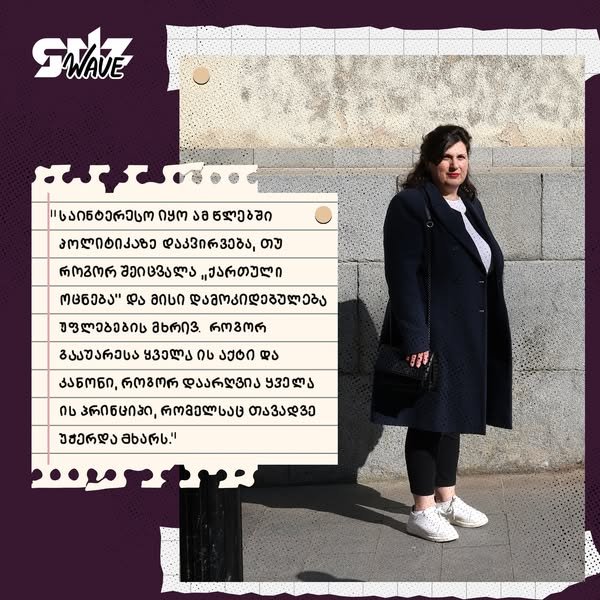
ძალიან საინტერესო იყო ამ წლებში პოლიტიკაზე დაკვირვება, თუ როგორ შეიცვალა ,,ქართული ოცნება” და მისი დამოკიდებულება უფლებების მხრივ. როგორ გააუარესა ყველა ის აქტი და კანონი, როგორ დაარღვია ყველა ის პრინციპი, რომელსაც თავადვე უჭერდა მხარს.
პირველი დარტყმა „რუსული კანონი“ იყო, რომელიც 2023-ში დააინიცირეს და შემდეგ – გაიწვიეს.
Gender quotas have worked for about one election. As a result of these elections, we saw a radical increase in women's participation in politics. We saw how the proportion increased. During the same period, it also became clear that without this mandatory mechanism, political parties would not have included women in the lists at all, as women were still not nominated in a significant part of the majoritarian candidates. Therefore, the existence of quotas and their consideration by political parties was very important.
The second part I want to emphasize was the changed attitudes of political parties. They began to work on intra-party democracy and strengthening women's organizations within the party, improving the mechanisms that would attract women to political parties and increase new leaders.
They had no arguments for the abolition of quotas, only two or three sentences that the quota had fulfilled its role and now other steps should be taken for women's participation in politics, but the steps that were taken only indicate that everything went against human rights, everything went against gender equality. No steps were taken to maintain women's proportional representation.”
Now, where do we go from here?
“Due to the political life of a number of female politicians, we faced certain criticism, but our argument was always that when surgical intervention is needed, it should happen that way, because if a life is to be saved, it must be saved. This was also the case for us regarding women's participation in politics and quotas.
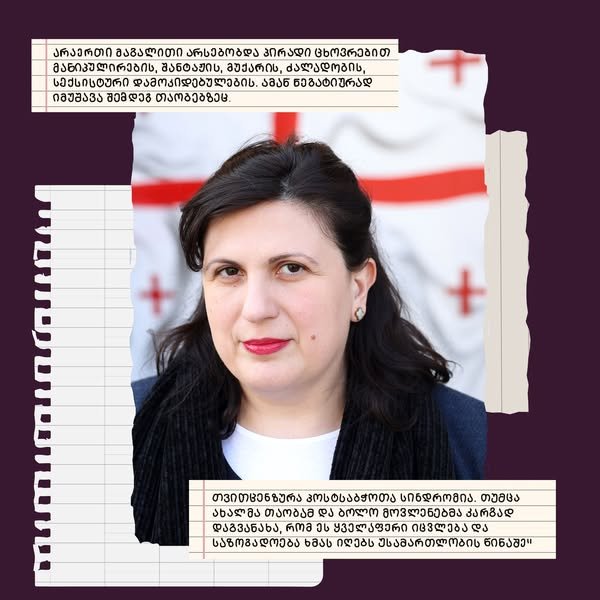
On the other hand, when we asked women what obstacles they faced and why they were afraid to engage in politics, they often mentioned that there were numerous examples of manipulation of personal life, blackmail, threats, violence, and sexist attitudes. This had a negative impact on subsequent generations as well.
When the quota was abolished, the “Russian law” was also on the political agenda. Violence against female politicians was happening directly from the parliamentary platform. You remember these facts, what kind of physical and verbal abuse these women faced in order to express their political voice, what obstacles they were facing. This, of course, does not disappear without a trace, and we saw the consequences, not only for women but for society as a whole.
Gender equality is our – Georgia's – natural condition. It is not imposed. In terms of propaganda, they want to present it as if we, Georgians, are different and that here the man is dominant. We have historical examples that are clear and at hand. The example of the women of our first republic, the example of the constituent assembly, our history and heritage – all of this speaks to that.
მოგვიანებით უკვე ”გირჩის“ ინიციატივას დაუჭირეს მხარი კვოტის გაუქმებასთან დაკავშირებით.
Photo: Dina Oganova – Documentary Photographer