
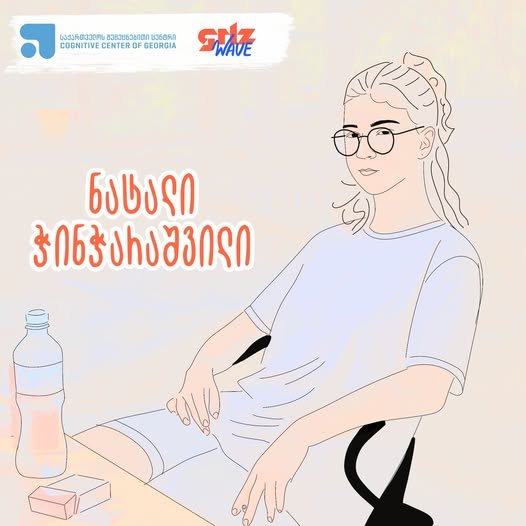
“Coming out with myself happened at the age of 16 when I first fell in love with a girl. I wonder why I realized it so late. I remember my behaviors, interests, feelings, and butterflies in my stomach since I was 8, as soon as a girl would stand close to me and her hair or clothes would touch my skin. However, back then, I found it hard to explain my behavior. I had heard the word lesbian, but I hadn’t fully understood it. I thought that short hair, an athletic build, and more boldness were necessary for this, like daring parkour, playing football well, and the art of resolving issues with boys in the neighborhood.
When I realized that I liked girls, I understood that anyone could be a lesbian. I was proud that I found myself, became relatively bolder, everything found its place, and I felt a more harmonious, coherent order within myself and my soul.
I grew up in an atheist family, and just as they didn’t impose religion on me, they also didn’t insult homosexuals and transgender people. I knew blue and pink, listened to Lady Gaga until about 12, until the emo phase overshadowed my existence. The latter was also very natural; I always felt out of place in any situation and social circles.
I simply asked my friends to accompany me to see a girl, and then they figured it out themselves. I don’t know why, but it was always hard for me to say it directly to close people, and I just made it too obvious. It was easy with friends. One of them still has homophobic attitudes and thinks I’m mistaken and that I’m heterosexual. However, I don’t mind; in this case, it’s more important for me that he overcame his hatred towards queer people, considering that he didn’t know anyone like me before. I told my classmates soon, or they figured it out themselves; I don’t remember, but everyone around me already knew – both the big and the small, except for my family.
დედასთან 4 წელი დამჭირდა, ნელ-ნელა შეპარებით. ვიცოდი, რომ პირდაპირ თქმა გამიჭირდებოდა, თუმცა, ვთვლიდი, რომ უნდა სცოდნოდა. ჯერ სტატიებს ვუკითხავდი, კვლევების შედეგებს და სტატისტიკებს ვუზიარებდი, კითხვები ქონდა და პასუხსაც ისმენდა. ბევრჯერ ვცადე და ბოლოს ერთ-ერთი არაპირდაპირი ქამინგაუთის დროს ვკითხე, გოგო რომ მყავდეს, გაგაცნო-თქო და კიო, ხოდა შეყვარებული გავაცანი. ჩემი მაშინდელი შეყვარებულის მიღება მაინც ძალიან გაუჭირდა. დღემდე მიჭირს გავიგო მისი ამ დამოკიდებულების მიზეზი: ჩემი შეყვარებული არ მოსწონდა, მის მიმართ ჩემი ობსესიური დამოკიდებულება, თუ ჯერ კიდევ ვერაფერს მივაღწიეთ 4 წლიანი „დატრენინგების“ მერე. დედაჩემი ამაყი მშობელია, ყველას ქომაგობს და პროტესტის სურვილიც უჩნდება, როდესაც რაიმე უსამართლობას გაიგებს ქვიარ ადამიანებზე.
ხალხისგან მიკრო და ძალიან დამაზიანებელ ჰომოფობიურ დამოკიდებულებებს დღემდე ვიღებ და ვგრძნობ. თუმცა, მათი დამოკიდებულება ჩემთვის მაინც უმნიშვნელოა. ვცდილობ, მათაც ავუხსნა მაგრამ ახსნის მერეც რომ ვერ გაიგონ, მათი დამოკიდებულება ვფიქრობ მაინც არ მაზიანებს. არის რაღაცეები, რასაც ზოგი ვერ გადაახტა და ვერ გაიაზრა. ცოტა მესმის რთულია ჩაუღრმავდე შენ ცრურწმენებს, ამოიცნო საზოგადოების გავლენა, რომელიც შენთან შეუთანხმებლად და გაუაზრებლად მოხდა. რთულია ამ სისტემის ძირფესვიანად ამოცნობა, თუმცა არ ვფიქრობ რომ საპატიოა.”
მასალა შექმნილია ევროკავშირისა (EU) და გაეროს განვითარების პროგრამის (UNDP) მხარდაჭერით და მიზნად ისახავს ლგბტქი თემის მიმართ საზოგადოებაში არსებული სტერეოტიპების შეცვლას და სტიგმისა და დისკრიმინაციის აღმოფხვრას.